

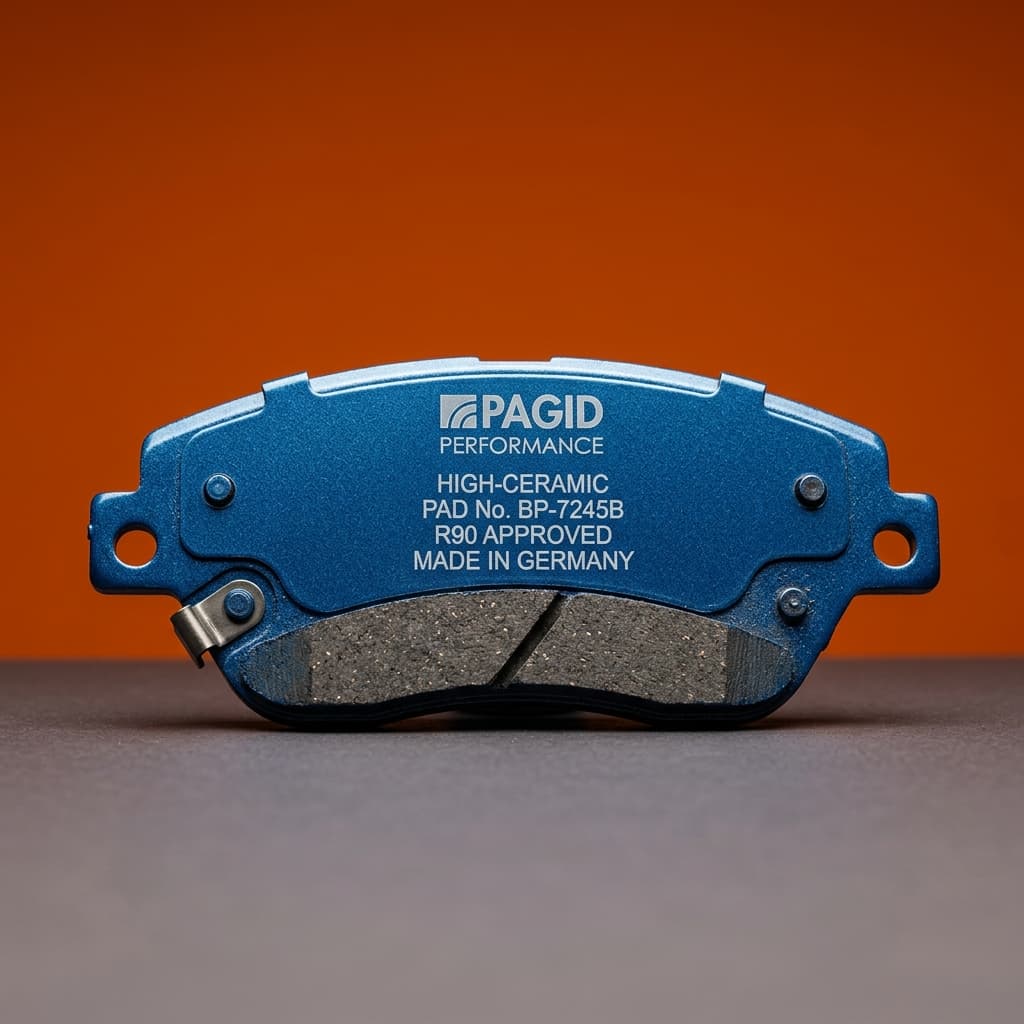
Ceramic vs. Carbon Kevlar Brakes: The Thermal Threshold
The Heat Cycle Challenge
Brakes are heat sinks. Their primary job is converting kinetic energy into thermal energy. But what happens when you exceed the thermal threshold of your pad compound?
Ceramic Composites
Ceramic pads are excellent for street and light track use due to their low dust and consistent bite at low temperatures. However, during endurance racing, their heat dissipation curve flattens out, leading to fluid boiling and pedal fade.
Carbon Kevlar
Carbon Kevlar compounds, while requiring more heat to reach optimal operating temperatures, maintain a linear friction coefficient even at 800°C. Our database matches brake pad compounds not just to your caliper, but to your intended use case.
Written by Devon Miller
Fitment Grid engineering team member. Dedicated to bringing track-certified telemetry and precision fitment to the aftermarket community.